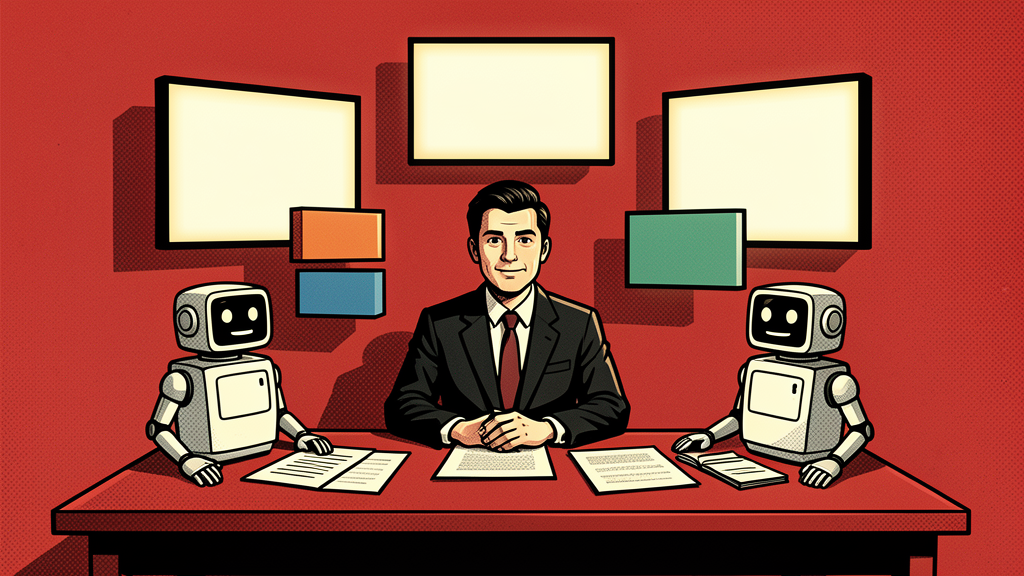
# Build an AI Decision Desk for the Questions That Keep Coming Back
Every organization has repeat questions that consume leadership time.
Should we approve this vendor change? Should this request become a project? Should this exception be escalated? Should we renew this tool, replace it, or renegotiate? Should this policy be interpreted one way or another?
Most teams answer these questions from scratch every time. That is expensive. It also leads to inconsistent decisions.
A practical AI decision desk gives your team a repeatable way to analyze recurring choices without pretending the model is the executive.
## What a decision desk does
A decision desk is a structured LLM workflow that turns messy context into a clean recommendation package. It does not make the final call. It prepares the thinking.
A good decision desk produces:
– a plain-English summary of the issue
– the decision required
– relevant facts and constraints
– options with pros and cons
– risks and dependencies
– missing information
– a recommended path
– a short approval note or follow-up message
That is useful because leaders do not need more raw information. They need better-prepared decisions.
## Start with repeatable decision types
Do not build this for every question in the building. Start with decisions that happen often and follow a pattern.
Strong candidates include:
– vendor renewals
– software access requests
– project intake decisions
– customer or member escalations
– sponsorship or partnership requests
– exception approvals
– process change requests
– meeting follow-up prioritization
The more consistent the decision type, the better the AI can help structure the analysis.
## The decision desk prompt
Use a prompt that forces discipline:
> Review the provided context and prepare a decision brief. Do not invent facts. Separate known facts from assumptions. Identify the decision required, available options, risks, tradeoffs, missing information, and a recommended next step. Keep the recommendation practical and explain the reasoning in plain English.
That prompt keeps the model from wandering into inspirational poster territory. We are building a desk, not a crystal ball.
## Feed it the right inputs
The decision desk works best when you provide real context:
– email threads
– ticket history
– vendor notes
– contracts or policy excerpts
– meeting notes
– CRM records
– budget constraints
– prior decisions
– stakeholder comments
The LLM is strongest when it organizes and compares information you already have. It is weakest when asked to guess around missing facts.
## Use a standard output format
Consistency is the product. Create a fixed format:
**Decision needed:** What must be decided?
**Background:** What led to this?
**Known facts:** What is confirmed?
**Assumptions:** What appears likely but is not confirmed?
**Options:** What can we do?
**Risks:** What could go wrong?
**Recommendation:** What should happen next?
**Draft response:** What message should be sent?
Once the format is consistent, decisions move faster. You can compare similar cases, train team members, and build an internal archive of how decisions were made.
## Add a human approval layer
The decision desk should never hide the fact that a human owns the final answer. The AI prepares the brief. The manager, executive, or process owner approves the decision.
That distinction protects accountability while reducing busywork.
## The practical payoff
A decision desk does not need to be fancy. It can start as a saved prompt, a form, and a shared document template. Later, it can become an agent connected to your help desk, CRM, SharePoint library, or project system.
The goal is simple: fewer scattered conversations, better recommendations, and faster decisions with a visible trail.
Ralph Perez’s book Fear Less, Live More includes other practical ways to use AI without turning it into another overcomplicated initiative.
Book: https://www.amazon.com/Fear-Less-Live-More-Practical/dp/B0GGBWHFN2/
Keep building practical AI confidence
Fear Less, Live More
Ralph Perez’s book includes additional practical ways to use AI with more clarity, confidence, and momentum.